
Small changes in how we use water could help close England’s projected five billion litre daily shortfall, according to new research from the University of Surrey. Cistermiser says the findings highlight an important part of the solution, but behaviour change alone won’t be enough.
Alongside reducing how much water we use day to day, the UK water efficiency specialist is urging greater focus on the significant volumes of water being lost regardless of user behaviour, through leaks, inefficient systems and poorly managed infrastructure inside buildings.
In many cases, this waste is continuous, invisible and entirely preventable, happening whether a building is occupied or not.
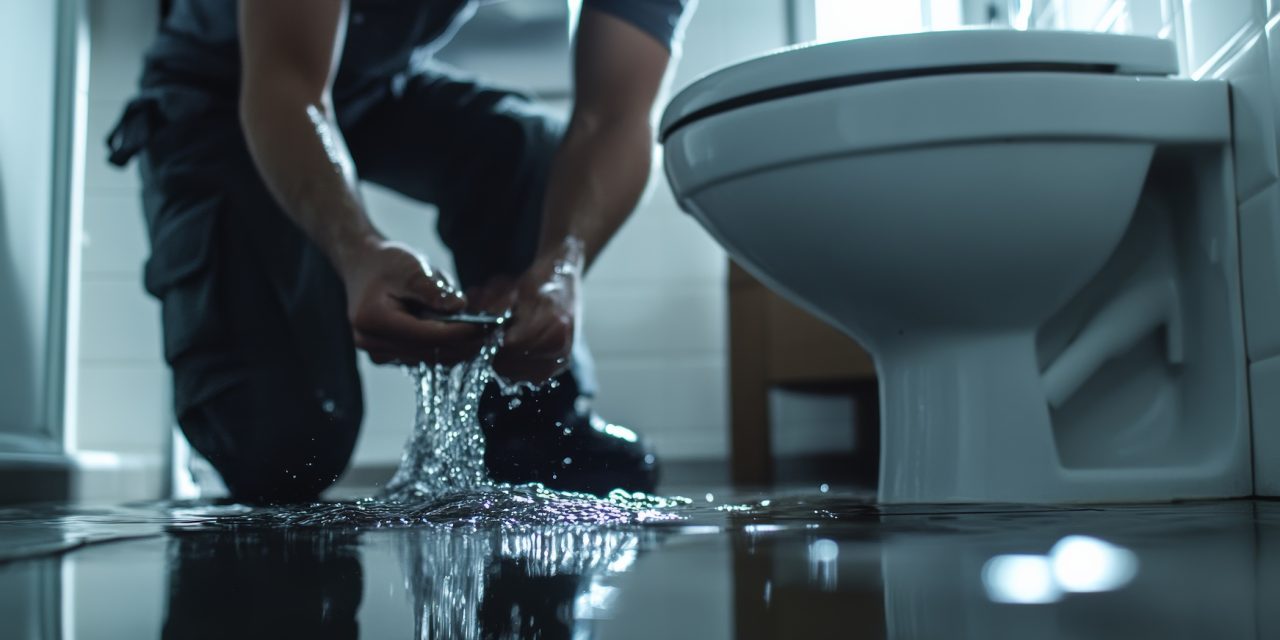
Across the UK, “leaky loos” remain one of the most persistent and overlooked sources of waste. Research from Waterwise suggests 5–8% of toilets are leaking at any given time, with a single faulty flush wasting up to 400 litres of water per day.
That’s treated, potable water, lost continuously, whether a building is occupied or not and toilets are only part of the problem. Ageing components, poor system design and inefficient flushing mechanisms mean water is often being wasted by default, before a user even interacts with the system.
Richard Braid, managing director at Cistermiser, says: “There’s a lot of focus on encouraging people to use less water, which is important. But it risks overlooking a bigger, more immediate issue – water that’s being wasted whether anyone changes their behaviour or not. Leaks, inefficient flushing and outdated systems mean we’re losing drinking-quality water constantly, and most of it goes completely unnoticed.”
While large-scale infrastructure projects continue to dominate the national conversation, the scale of internal water waste presents a more immediate opportunity for impact. With billions of litres lost daily across England and Wales, tackling inefficiencies inside buildings could deliver rapid reductions in demand without waiting for long-term supply solutions to come online.
Importantly, every litre wasted also carries an energy and carbon cost, from treatment to distribution, meaning inefficient systems are quietly increasing both operational spend and environmental impact.
“If we’re serious about closing the water gap, we have to look at where water is being lost right now,” continues Richard. “Fixing leaks and upgrading inefficient systems is one of the fastest, most cost-effective ways to reduce demand and it’s something building owners can act on immediately.”
Modern flush management solutions are designed to remove the root causes of hidden water loss. Systems such as Cisteriser’s Easyflush Direct eliminate common failure points associated with traditional cistern components, helping to prevent continuous leakage and unnecessary flushing.
By delivering reliable, mains-powered flushing without the risk of silent cistern leaks, they provide facilities managers with a practical way to regain control of water usage, particularly in high-traffic environments such as schools, hospitals and commercial buildings.
“We don’t need to wait for new infrastructure to make a difference,” adds Richard. “By tackling the hidden inefficiencies inside our buildings and starting with something as simple as a leaking toilet, we can save significant volumes of drinking water straight away. Reducing usage is important, but the biggest gains come from stopping water being wasted before anyone even uses it.”