As much of the UK recovers from another spell of exceptionally hot weather, recent comments from the UK Cold Chain Federation and widespread media reports of refrigeration outages have brought renewed attention to the resilience of the nation’s cooling infrastructure and the need for refrigeration systems designed for a changing climate.
With industry leaders warning that much of the UK’s refrigerated infrastructure was designed for significantly lower summer temperatures, the recent heatwave has reinforced that resilience deserves to sit alongside efficiency as one of the defining measures of refrigeration system performance.
For operators of food manufacturing plants and temperature-controlled distribution facilities, where reliable cooling is becoming increasingly critical as ambient temperatures rise, the challenge extends beyond higher electricity consumption. The greater risk is that refrigeration systems begin to lose available cooling capacity at precisely the time cooling demand is highest.
From an engineering perspective, resilience in high ambient temperatures is rarely determined by a single piece of equipment or even the refrigerant itself. Instead, it depends on how the entire refrigeration system is engineered, controlled, commissioned and maintained throughout its operational life.
Valgard Bertschinger, head of business development at Star Refrigeration, said: “Heatwaves naturally attract attention when refrigeration systems struggle, but they also show why others continue to operate reliably. Resilience isn’t something you add once a heatwave arrives. It needs to be built into the system from the very beginning and maintained throughout the plant’s life.”
Many refrigeration systems currently operating across the UK were designed around historical weather data and summer design temperatures that reflected the weather patterns at the time. While many continue to perform reliably within their original design envelope, increasingly frequent periods of extreme heat are reinforcing the need to review the assumptions used when designing new refrigeration systems expected to operate for the next 25 to 30 years.
As temperatures rise, refrigeration systems naturally consume more electricity. However, the more significant challenge is often maintaining sufficient cooling capacity to meet demand.
Mr Bertschinger said: “People often assume hotter weather is mainly an efficiency issue, but the bigger challenge is maintaining enough cooling capacity when demand is at its highest. A refrigeration system can still be running, consuming more electricity, and yet no longer have enough available cooling capacity to meet the site’s demand. Understanding that distinction is becoming increasingly important as ambient temperatures rise.”
During June’s heatwave, performance data from a number of StarCare maintained sites showed how effective system design for ambient temperatures of up to +40°C, integrated controls, and preventative maintenance helped preserve cooling capacity during the prolonged period of exceptionally high ambient temperatures.
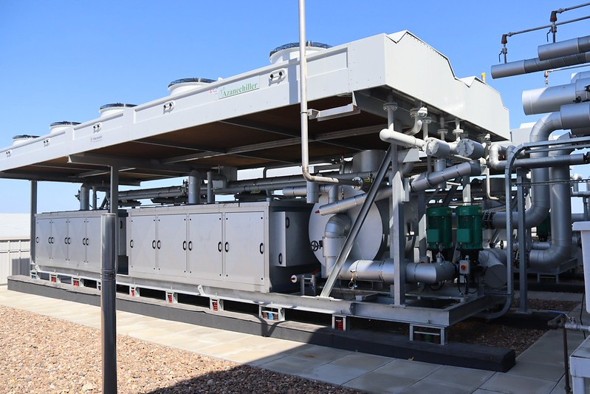
Engineers observed that low-charge ammonia Azanechiller packs continued to meet cooling demand without the equipment operating at its limits. Even during one of the hottest weeks on record, many of the systems required only a single compressor per pack operating at around 70% speed. The analysis of the systems’ performance provided engineers with useful data-led insight into the benefits of fully integrated controls in upholding cooling capacity during periods of extreme heat.
The recent heatwave has also highlighted how differently refrigeration technologies respond as ambient temperatures increase.
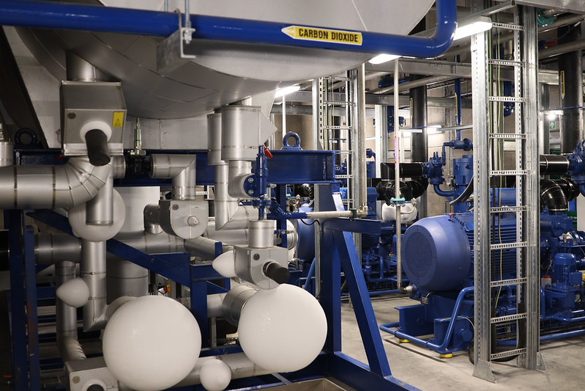
As ambient temperatures increase, CO₂ systems experience a more pronounced reduction in available cooling capacity and efficiency, making design margins and operational strategy increasingly important. A 10 degree rise in ambient temperature can reduce cooling capacity by around 33%, compared with 5% for ammonia systems, which generally maintain capacity more effectively under high ambient conditions.
Maintaining refrigeration performance throughout the plant’s life is as important as getting the original design right, particularly as periods of extreme weather become more frequent. To support plant owners and operators, Star Refrigeration has published guidance on designing refrigeration systems for a hotter world, alongside practical advice on preparing existing refrigeration systems for prolonged periods of high ambient temperatures.